
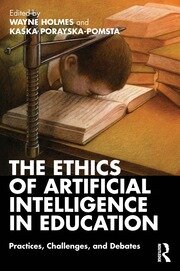
As ChatGPT gains popularity, it is important to consider the significant ethical and practical issues that arise with the use of AI-enabled technologies, such as 3D printing of art, AI-generated music, text, and presentations. For instance, a single prompt to beautiful.ai generated a 25-slide deck in just six minutes for a class. However, questions arise regarding ownership and responsibility of the content, as well as the boundaries between having a digital research assistant versus academic dishonesty. Furthermore, if ChatGPT makes mistakes (as it often does), who is accountable for correcting them (given that it can be trained)? In this time of disruption, this book is essential reading for anyone interested in reshaping the teaching-learning paradigm. It is a thought-provoking resource filled with insightful cautions, novel ideas, and compelling challenges.
Holmes, W. and Porayska-Pomsta, K. (2023). The ethics of artificial intelligence in education: Practices, challenges, and debates. London: Routledge.
We use cookies on this site to enhance your user experience
By clicking "Accept" you agree to practices outlined in our Privacy Policy